
Are We Truly Prepared?
Climate Change and the Future of Our Infrastructure: Are We Truly Prepared?
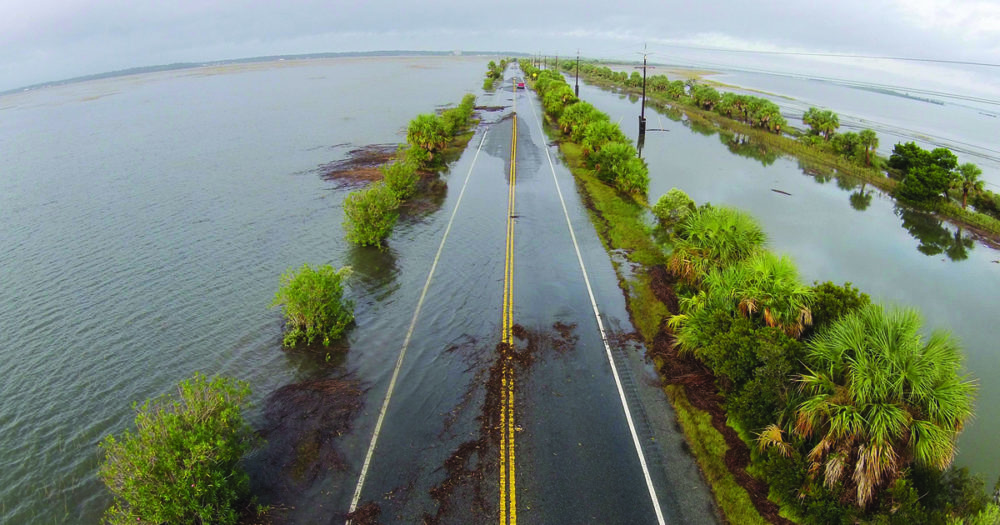
Across the world, climate change is no longer a distant threat. It is a present and escalating risk that is already disrupting how our cities, economies, and essential services function. From floods washing away roads and bridges, to heatwaves straining power systems and droughts threatening water security, critical infrastructure is now on the frontlines of climate impact.
Yet much of the infrastructure we depend on today was designed using historical climate data that no longer reflects current realities. Rainfall patterns have shifted. Temperatures are rising. Extreme weather is more frequent and more intense. This means many infrastructure systems are operating beyond their original design limits.
Without intentional climate resilience planning, today’s infrastructure investments risk becoming tomorrow’s stranded assets.
Why Climate Resilience Assessment Is No Longer Optional
Climate resilience assessment enables decision-makers and infrastructure developers to systematically evaluate:
- Climate hazards affecting specific infrastructure assets
- Physical, operational, and systemic vulnerabilities
- Potential service disruptions and cascading failures
- Cost-effective adaptation and protection measures
This goes beyond environmental protection. It directly supports:
- Economic continuity
- Public safety and service reliability
- Investor confidence
- Long-term national development goals
In practical terms, resilience assessment ensures that infrastructure is designed not just to function — but to survive future climate conditions.
Africa’s Infrastructure Growth vs Climate Risk
Africa is undergoing one of the fastest infrastructure expansion phases in history:
- Transport corridors and expressways
- Power generation and transmission lines
- Water and sanitation systems
- Health facilities and urban developments
However, climate shocks are already eroding these gains through:
- Repeated damage and reconstruction
- Rising maintenance costs
- Disrupted service delivery
- Reduced asset lifespan
Without climate resilience integration, infrastructure development risks becoming a cycle of build–damage–repair, rather than build–protect–sustain.
🎓 Upcoming Short Course: Climate Resilience Assessment in Critical Infrastructure
In response to this urgent need, the Institute of Climate Change and Adaptation (UoN) in collaboration with the University of Nairobi Enterprises & Services Ltd (UNES) is launching a specialized Short Course on Climate Resilience Assessment in Critical Infrastructure, designed to equip professionals with practical tools to assess, design, and manage climate-resilient infrastructure systems.
Who the Course Is For
- Engineers and infrastructure designers
- Project and program managers
- Environmental and sustainability professionals
- Government and regulatory agencies
- Consultants and development practitioners
Key Focus Areas
- Climate risk screening and hazard mapping
- Infrastructure vulnerability and exposure analysis
- Stress-testing assets under future climate scenarios
- Resilience and adaptation planning
- Case studies from Africa and other climate-vulnerable regions
Our goal is to move beyond theory and build real technical capacity for climate-resilient infrastructure decision-making.
Final Reflection
The question is no longer:
“Will climate change affect our infrastructure?”
The real question now is:
“Are we building infrastructure that can survive it?”
Details on registration, course schedule can be accessed through this link: https://unes.co.ke/cracip/